
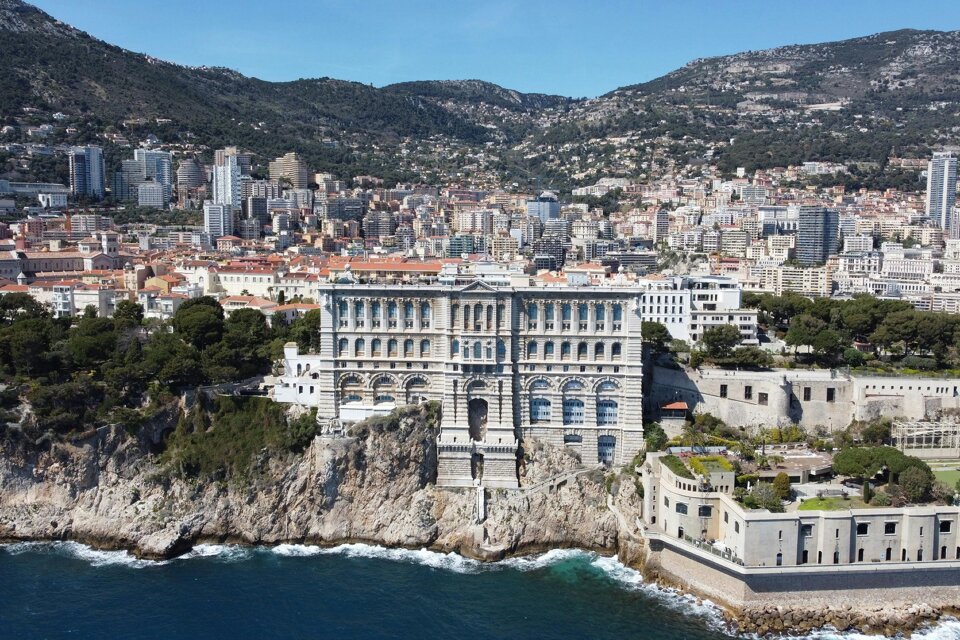
Monaco has long been synonymous with wealth and exclusivity, but recent data confirms a deeper shift: the Principality is becoming a true international family hub. According to Monaco Tribune, the 2024 census highlights a population representing 145 nationalities, reinforcing Monaco’s status as one of the most cosmopolitan places in the world.
This evolution is not anecdotal. Increasingly, affluent international families are choosing Monaco not just as a financial base, but as a place to raise children. As reported by L’Observateur de Monaco this shift is driven by safety, education and lifestyle considerations.
This article explores who these families are, why Monaco appeals to them, the trade-offs they face, and what they should know before renting or buying property in the Principality.
The profile of Monaco residents is evolving. While the Principality has historically attracted retirees and ultra-high-net-worth individuals, there is now a clear rise in younger, globally mobile families. These households typically share several characteristics:
International careers (finance, tech, entrepreneurship)
Multi-country lifestyles and frequent travel
Strong demand for bilingual or international education
A preference for privacy, security, and efficiency
This demographic shift is reshaping both the education system and the real estate market.
Safety is consistently cited as a primary reason families relocate. Monaco offers a level of security that allows children a degree of independence rarely possible in major global cities. This “independent childhood” factor is a powerful differentiator, particularly for internationally mobile parents.
Education is one of the strongest pull factors. Monaco offers a range of international schools (IB and British curriculum), and demand has surged in recent years. According to Monaco Life, the growth of private education reflects both the increasing number of international families and the diversity of student backgrounds. However, this demand also leads to waiting lists, making early planning essential.
Monaco offers what many describe as a “15-minute lifestyle”:
School, sports, and home are all within close proximity
Minimal commute times
Easy daily logistics
For families where parents travel frequently, this efficiency is a major advantage.
With 145 nationalities living side by side, Monaco offers:
Multilingual environments
Diverse social networks
Global exposure for children from a young age
This international fabric is not just a statistic, it’s part of everyday life.
Monaco’s biggest structural challenge is chronic undersupply of housing. For families, this means:
Limited availability of larger apartments
Compromises on layout or outdoor space
Longer search timelines
Additionally, Monaco residency requirements often include minimum housing standards relative to family size, which further restricts options.
Monaco remains the most expensive real estate market globally. By 2025, the cost per square metre continues to set records, putting pressure on families seeking larger homes. This is especially relevant in family-friendly areas such as:
Larvotto
Fontvieille
Jardin Exotique
The rise in international families has created:
Increased competition for top schools
Waiting lists in key institutions
Some families consider cross-border schooling (France or nearby areas) as a backup strategy.
Before starting your search, clarify:
Number of bedrooms
Proximity to schools
Outdoor space (terrace, balcony)
Parking and storage
Noise levels and building services
This helps avoid wasting time in a highly competitive market.
The market can feel intense due to:
Persistent undersupply
Strong international demand
Sudden spikes in activity linked to new developments
Given the Monaco luxury rental market for families, prices are driven by location, size (especially larger units), building quality and services. Being aligned with current benchmarks is essential to move fast when opportunities arise.
The influx of families is driving a clear trend: increased demand for larger apartments. This is not only lifestyle-driven but also linked to residency requirements, which indirectly push demand toward bigger properties.
An example of this new dynamic in Monaco real estate market is the Mareterra project, which represents a major shift in supply. Large-scale developments like Mareterra can:
Temporarily increase transaction volumes
Influence price narratives
Introduce new types of high-end family residences
However, they do not fundamentally change Monaco’s long-term scarcity.
Monaco’s appeal to international families is no longer emerging, it is firmly established.
The combination of safety, education, and lifestyle creates a compelling proposition for globally mobile households. However, success in relocating here depends on anticipation and preparation, particularly when it comes to schooling and housing.
For families considering the move, Monaco offers something rare: a place where global opportunity and everyday quality of life genuinely intersect.